
What does this mean in practice?
As a PIL holder, you are responsible for the animals you work with.
This responsibility is defined under the Animals (Scientific Procedures) Act 1986, which sets out conditions for research involving protected animals.
In large studies with multiple licensees collaborating, this responsibility extends beyond just the licensee listed on the cage card. Whenever you interact with the animals, you are responsible for them during that time, whether that is for animal scoring, providing altered diets, or advanced surgical procedures. While you conduct the procedure, you are the responsible PIL.
How do I comply with PIL Standard Condition 2?
A deep understanding of the species you are working with and the possible effects of your procedures on their welfare is crucial. Engaging in conversation with the animal care staff is invaluable, as they possess extensive knowledge about the animals and interact with them on a daily basis. Their insights can assist you in addressing any concerns you may have.
In light of this, it is essential to ensure that you take all reasonable steps to uphold a high standard of welfare and care, both during and after procedures. This includes completing effective handovers and maintaining clear communication with colleagues, researchers, and animal care personnel regarding the condition of the animals, ensuring they receive continuous and attentive care. Further clarification can be found in the Home Office Guidance on ASPA.
It is essential that everyone involved with the animals is provided with the study plan and granted access to the relevant protocol they are working under.
It is essential to review the protocols and study plans for each animal you anticipate working with. This ensures you fully grasp the techniques you are expected to perform, as well as the controls for monitoring the animals, expected adverse effects, and humane endpoints. Familiarising yourself with these elements will deepen your understanding of the animals’ care requirements. If you haven’t received these important documents, don’t hesitate to request them or seek access. Reviewing project protocols is also a key aspect of competency, as outlined in the guidance on training and CPD under ASPA.
Keep your records current, including PIL records, cage cards, and animal records. If necessary, ensure that any collaborative systems or animal management databases are updated accordingly.
Many facilities establish clear policies regarding communication between animal care staff and PIL holders. It’s important to remember that if your name is not listed as the PIL on the cage card, you may not be the primary contact in the event of an incident. Therefore, ensure that the listed PIL holder keeps you updated on any developments after you carry out a procedure. Additionally, consider requesting that the animal care staff include you in any communications related to the study.
Better yet, set up a mailing list and ask the team to communicate using this. This way, everyone involved in the study will be informed of any issues and act appropriately.
What resources are available to support me?
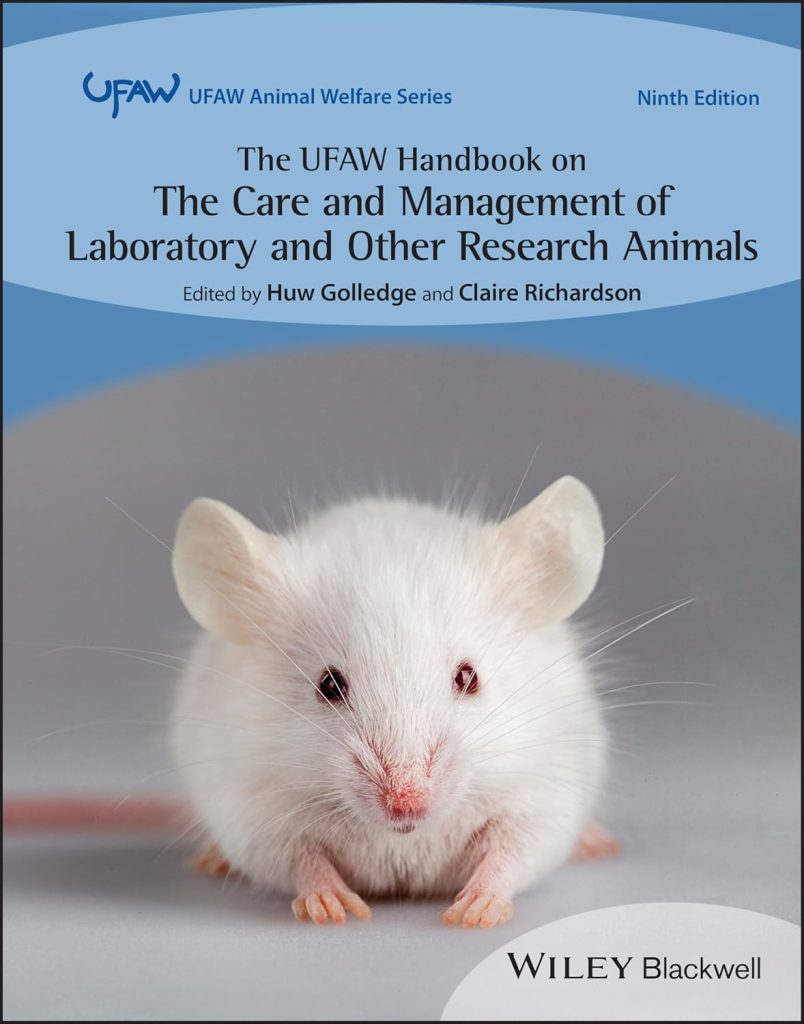
You can enhance your knowledge of animal care by using resources like the UFAW manuals, which cover common laboratory species and include specific volumes for animals like aquatics.You can also explore online courses on this platform, including modules on licence conditions and post-procedural care.
The project licence holder must have the capability to oversee and manage any necessary coverage for the animals in the absence of the personal licence holder. This process requires effective communication and the proper redistribution of responsibilities among other competent licensees. This applies equally to the animal care staff. It’s crucial to notify them of any absences, such as annual leave, and to designate who will oversee the animals in case any issues arise that necessitate PIL oversight.
What happens if I don’t comply with PIL Standard Condition 2?
Neglecting to provide adequate monitoring and care for the animals on which you perform procedures can lead to unnecessary suffering. The controls established in a licence are designed to manage potential adverse effects and ensure that humane endpoints are implemented. Failing to adequately monitor the animals not only jeopardises their well-being but also increases the risk of breaching PPL Standard Condition 18.
Non-compliance often results from miscommunication or misunderstandings about the expectations and responsibilities of personal licence holders at various stages of care.
When this is reported, ASRU will ask to see your records, and quite likely the records of everyone involved in the study. This may include training records to demonstrate competence, which can clarify the reason behind the failure and guide the enforcement team in their subsequent actions.
How does ASRU assess compliance with PIL Standard Condition 2?
During an audit, the institution must provide Standard Operating Procedures and documentation related to training and competency in monitoring and post-procedural care.
Inspectors will also engage with NACWOs, NVS, and PIL holders to verify that training and competency processes for monitoring and post-procedural care are effectively implemented.
How do I know if I am complying with PIL Standard Condition 2?
Animals often behave unexpectedly, and adverse effects mentioned in project licences stem from past experiences. Plans may not always go as intended. However, if you document your efforts to ensure proper animal care through record keeping, effective communication with animal care staff, and established handover processes, you can demonstrate to ASRU inspectors that you have met compliance requirements.